Snoring Treatment
Snoring Treatment provided by Our Expert Dentists
in Bells, Jackson, Milan & Lexington, TN at Premier Dental Center
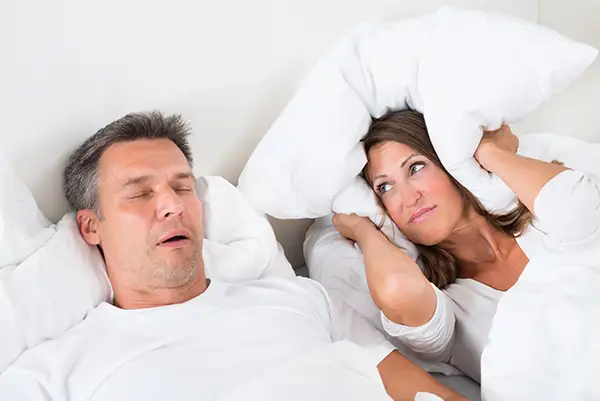 Snoring happens when air cannot move freely through your mouth and throat while you sleep, and Premier Dental Center treats it at our Bells, Jackson, Milan, and Lexington, TN offices with a custom-fitted oral appliance that helps hold the airway open. Snoring happens when air cannot move freely through your mouth and throat while you sleep, and Premier Dental Center treats it at our Bells, Jackson, Milan, and Lexington, TN offices with a custom-fitted oral appliance that helps hold the airway open.
For some people snoring is mostly noise that disrupts a partner's sleep. For others it is a signal of something more, like obstructive sleep apnea, which is a medical condition a physician diagnoses. We focus on the dental side of the problem: a comfortable appliance worn at night.
The appliance is a dental device, which is why a dentist trained in oral appliances fits and adjusts it. It works by gently positioning your lower jaw so the soft tissues at the back of the throat are less likely to collapse and vibrate.
Snoring treatment is one part of our broader oral appliance therapy; here we focus on snoring specifically, what causes it, and how a dental appliance can help.
On This Page
What Causes Snoring?
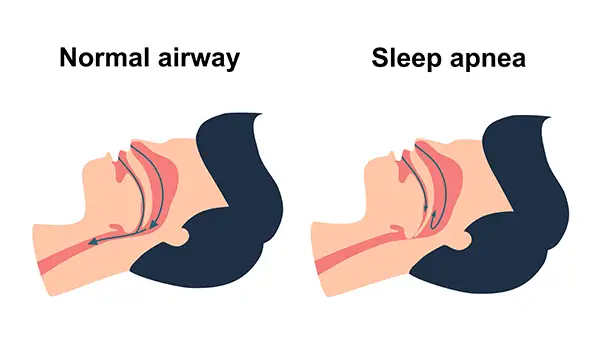 Snoring is the sound of soft tissue vibrating as air squeezes past a partly narrowed airway. When you fall asleep, the muscles of your throat and tongue relax. In some people they relax enough to crowd the airway, and the rushing air sets those tissues fluttering. Snoring is the sound of soft tissue vibrating as air squeezes past a partly narrowed airway. When you fall asleep, the muscles of your throat and tongue relax. In some people they relax enough to crowd the airway, and the rushing air sets those tissues fluttering.
Several things make that narrowing more likely: the natural position of your jaw and tongue, nasal congestion from allergies or a cold, extra weight around the neck, alcohol or sedatives before bed, and sleeping on your back. Anatomy plays a role too, which is why some people snore their whole lives and others start later. Understanding which factors apply to you is part of what we look at, because it shapes whether an oral appliance is likely to help.
When Snoring Is Just Noise vs. When It Signals Sleep Apnea
Light, occasional snoring is usually a nuisance rather than a health concern. Loud snoring paired with gasping or choking sounds, pauses in breathing that a partner notices, morning headaches, or daytime exhaustion can point to obstructive sleep apnea, which is a different and more serious matter. We want to be clear about the line here: we do not diagnose sleep apnea. That requires a physician and usually a sleep study. If your history suggests apnea, we will say so and help you get to the right physician before we treat anything. Diagnosing the condition is a medical question, and our sleep apnea overview explains what to watch for.
Your Snoring Treatment Provider
At Premier Dental Center, Dr. Steven Kail handles snoring appliances. He completed a mini-residency in craniofacial pain and sleep-disordered breathing and makes oral appliances as part of his regular care. That background matters here, because the jaw, the bite, and the airway are connected, and fitting an appliance well means accounting for all three. More on his bio.
Because repositioning the jaw can affect how it feels and functions, our snoring care coordinates with the same thinking we bring to TMJ treatment. If you already deal with jaw clicking or popping, we take that into account when designing and adjusting your appliance so we are not trading one problem for another.
We are also straightforward about scope. We fit the appliance and adjust it for comfort and effect; the diagnosis of any underlying sleep disorder stays with your physician. When you are being treated for diagnosed apnea, we work alongside that physician rather than around them.
How Oral Appliance Treatment Works
Getting fitted for a snoring appliance is a short, non-surgical process, and most of the work is in getting the fit and the jaw position right.
1. Consultation and Screening
We start by talking through your snoring, your sleep history, and how it affects you and your partner. We screen for the warning signs of sleep apnea, and if those signs are present, we pause and help you arrange a physician evaluation or sleep study before going further. An appliance is appropriate for snoring and, when a physician directs it, for some cases of mild to moderate apnea, but only after the right diagnosis is in hand.
2. Custom Impressions or Scan
If an appliance is the right path, we take impressions or a digital scan of your teeth so the device is built specifically for your mouth. This is not a one-size drugstore mouthpiece. A custom appliance fits better, lasts longer, and lets us control how far the jaw is positioned forward, which is what makes it work without straining the jaw.
3. Fitting and Adjustment
When your appliance is ready, we fit it and make initial adjustments. It holds your lower jaw in a slightly forward position to keep the airway open while you sleep. The first nights take some getting used to, and Dr. Kail fine-tunes the position over a few visits to balance quieter breathing with a jaw that feels comfortable in the morning.
4. Follow-Up
We check in to confirm the appliance is helping and comfortable, and we adjust as needed, at whichever of our four offices is easiest for you. If you are being treated for diagnosed apnea, we coordinate with your physician so everyone is working from the same plan, and we keep an eye on your bite and jaw at your regular visits.
Benefits of Treating Snoring
 Treating snoring is partly about your own rest and partly about the person trying to sleep next to you. Treating snoring is partly about your own rest and partly about the person trying to sleep next to you.
Quieter Nights for Both of You
The most immediate benefit is the obvious one: less noise. For many couples, one partner's snoring is why the other sleeps poorly or moves to another room. Because we tune the appliance over a few visits rather than handing you a fixed device, we can keep adjusting the jaw position until the noise actually drops for both of you.
More Restful Sleep
When snoring fragments your own sleep, you can wake up tired no matter how long you were in bed. Reducing the airway obstruction can make sleep more continuous, which for some people means feeling more alert during the day. How much improvement you notice depends on what is driving your snoring, which is exactly why we screen for apnea first instead of assuming an appliance is the whole answer.
An Option Some Prefer to CPAP
For appropriate cases, an oral appliance is smaller and easier to travel with than a CPAP machine, and some people simply tolerate it better. It is not a replacement for CPAP in every situation, though. When apnea is the diagnosis, whether an appliance or CPAP is the better choice is a decision made with your physician, and our benefits of treating sleep apnea page explains why getting that treatment right matters.
An Honest Expectation
An oral appliance helps a great many snorers, but not everyone, and we will tell you if we do not think it is likely to work well for you rather than fitting one anyway.
Why Patients Choose Our Practice
What guides our approach to snoring is staying firmly in the dental lane while respecting where the medical lane begins. Since 1979, our offices across Bells, Jackson, Milan, and Lexington have fitted oral appliances under Dr. Kail, whose specific training in craniofacial pain and sleep-disordered breathing means the appliance is designed with your jaw and bite in mind, not just your airway.
Just as important is what we will not do. We do not diagnose sleep apnea, we do not promise an appliance for every snorer, and we send you to a physician when your symptoms call for one. You get an honest read on whether a dental appliance fits your situation, and because your records are shared across all four offices, any follow-up or adjustment can happen wherever is convenient for you.
Cost and Insurance
The cost of a snoring appliance depends on the device and the number of adjustment visits involved, and we go over the figures with you before we begin. Insurance for these appliances is where it gets a little involved, so it is worth understanding upfront.
When an oral appliance is treating diagnosed obstructive sleep apnea, it is often billed to your medical insurance rather than dental, and medical coverage usually requires a documented diagnosis and sometimes records of a CPAP trial. When the appliance is treating simple snoring without a sleep disorder, it is generally not covered and is an out-of-pocket cost. Our front-desk team helps you sort out which situation applies and verifies your benefits before treatment. Our insurance and financing options also include third-party plans through Cherry, Sunbit, and CareCredit if you would like to spread the cost over time.
Schedule Your Consultation
If snoring is keeping you or your partner from sleeping well, a consultation is the place to start, and it is also where we screen for anything that should be checked by a physician first. Call us at 731-300-3000 or schedule an appointment online. We will see you at any of our four West Tennessee offices. Our Jackson location is at 80 Exeter Rd, Jackson, TN 38305. Addresses and hours for the Bells, Milan, and Lexington offices are on our Locations page.
Frequently Asked Questions
Can a dentist really treat snoring?
Yes, when the treatment is an oral appliance. The appliance is a custom dental device that repositions the jaw to help keep the airway open, so fitting it is dental work. What a dentist does not do is diagnose the underlying sleep disorder; that is a physician's role, and we coordinate with one when your symptoms call for it.
Does the oral appliance work for everyone?
No. Oral appliances help a large share of snorers, but results vary with the cause and severity of the snoring and with your anatomy. We evaluate whether an appliance is likely to help before recommending one, and we will tell you honestly if we think it is not the right fit for your situation.
Do I need a sleep study before getting an appliance?
If your symptoms suggest sleep apnea, yes. Diagnosing apnea requires a physician and usually a sleep study, and treating it without that diagnosis would be a mistake. For simple snoring with no signs of apnea, a sleep study may not be necessary. Our screening at the consultation helps determine which applies to you.
Is a snoring appliance the same as a night guard?
No. A night mouth guard protects your teeth from grinding by cushioning the bite. A snoring appliance does something different: it holds the lower jaw slightly forward to open the airway. They are built for separate purposes, so one does not substitute for the other.
How is an oral appliance different from CPAP?
CPAP uses a machine and mask to push a steady stream of air into your airway. An oral appliance is a mouthpiece that repositions the jaw, with no machine or hose. For appropriate cases, many people find the appliance easier to travel with and tolerate, but CPAP remains the standard for more severe apnea. When apnea is diagnosed, the choice between them is made with your physician.
Will the appliance hurt my jaw?
Some people feel mild jaw or tooth soreness in the first days, which usually settles as you adjust. Because the appliance repositions the jaw, we design and adjust it carefully and account for any existing jaw issues, and we fine-tune the fit over a few visits so it stays comfortable in the morning.
Will insurance cover a snoring appliance?
Whether it is covered hinges on one thing: a diagnosis. With diagnosed sleep apnea, the appliance is usually a medical-insurance claim rather than a dental one, which is a different process we handle for you. Without a diagnosis, simple snoring is typically out of pocket. We sort out which applies and check your insurance and financing benefits before the appliance is made, not after.
How do I know if my snoring is sleep apnea?
Only a sleep study can confirm it, but the single most telling clue is something you cannot see yourself: a partner noticing that you stop breathing or gasp awake. If anyone has mentioned that, treat it seriously. Our sleep apnea overview covers the other signs, and we will help you reach a physician who can diagnose it. |