Bleeding Gums Treatment
Bleeding Gums Treatment provided by Our Expert Dentists
in Bells, Jackson, Milan & Lexington, TN at Premier Dental Center
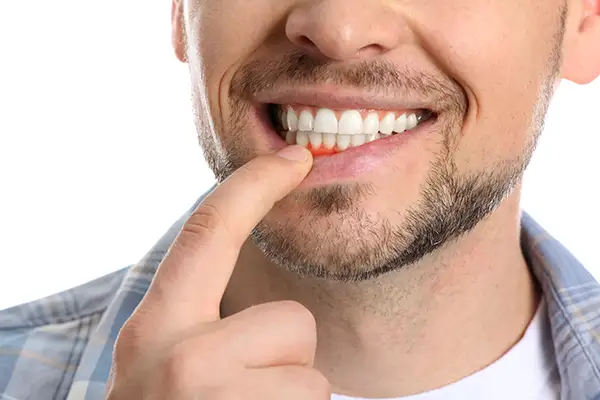 Bleeding gums are one of the most common dental complaints, and our team treats them at Premier Dental Center across our Bells, Jackson, Milan, and Lexington, TN offices by first finding out why the bleeding is happening. Bleeding gums are one of the most common dental complaints, and our team treats them at Premier Dental Center across our Bells, Jackson, Milan, and Lexington, TN offices by first finding out why the bleeding is happening.
Gums that bleed when you brush or floss are usually a sign of inflammation, and the right treatment depends on what is causing it. For some people it is a brushing habit or a new medication; for others it is the start of gum disease.
The bleeding itself is easy to ignore, especially when it comes and goes. But persistent bleeding is your gums telling you something, and the sooner we identify the cause, the simpler the fix tends to be.
Bleeding gums fall under our broader periodontal care; here we focus specifically on what causes the bleeding and how we treat it.
On This Page
Why Are My Gums Bleeding?
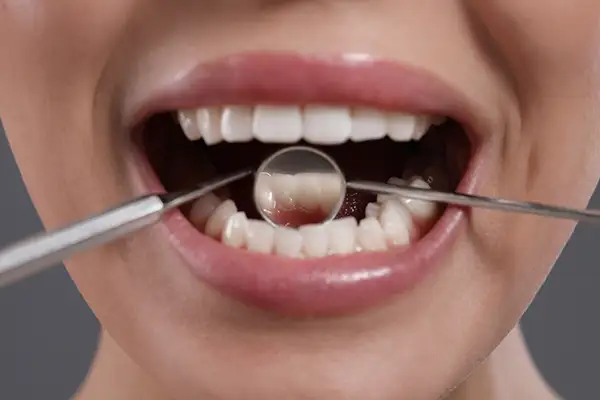 Bleeding gums almost always come down to inflammation where the gum meets the tooth. What we work out at your visit is the source of that inflammation, because the source changes the treatment. Bleeding gums almost always come down to inflammation where the gum meets the tooth. What we work out at your visit is the source of that inflammation, because the source changes the treatment.
The most frequent cause is plaque and tartar buildup along the gumline, which irritates the tissue and leads to gingivitis, the earliest and most reversible stage of gum disease. Brushing too hard or with a stiff-bristled brush can also make gums bleed, as can flossing that has been inconsistent and then resumes. Hormonal changes during pregnancy, certain medications including blood thinners, and some bleeding disorders can all play a role too. And when bleeding has been going on for a while, it can signal that gingivitis has progressed into periodontal disease, where the inflammation reaches the bone that supports your teeth.
When Bleeding Is Occasional vs. When It Signals a Problem
A little bleeding once, after vigorous brushing or a missed week of flossing, is usually nothing to worry about. Bleeding that shows up consistently, that comes with tenderness, puffiness, or gum recession, or that you notice without provocation is the kind worth having looked at. We measure the depth of your gum pockets and check for other signs so we are treating the actual cause, not just the symptom.
Your Bleeding Gums Care Team
Our dental hygienists and doctors at Premier Dental Center handle bleeding gums together: the hygienist measures and cleans, and the doctor reviews the findings and sets the plan. We have cared for West Tennessee families since 1979, so we have seen the full range of what bleeding gums turn out to be, from a too-firm toothbrush to disease that needs active treatment.
Dr. Steven Kail is certified in Laser Dentistry, and when bleeding traces back to periodontal disease, we can use a soft tissue laser to treat the infected gum lining as part of your care – more on that on Dr. Kail's bio page and our Dental Technology page. The laser tends to reduce bleeding and swelling during treatment, which matters when the tissue is already inflamed.
We also make a point of explaining what we found before recommending anything. If your bleeding is a brushing-technique issue, we will say so and show you the fix rather than steering you toward treatment you do not need.
How We Treat Bleeding Gums
How we treat bleeding gums depends entirely on the cause we identify, so the path looks different from one patient to the next. Here is how a typical visit unfolds.
1. Periodontal Evaluation
We start by measuring the depth of the pockets around your teeth and checking where and how much the gums bleed. Healthy pockets run about one to three millimeters; deeper readings point toward disease. We may take X-rays to see whether the bone around the teeth has been affected. This evaluation is what tells us whether you are dealing with reversible gingivitis or something more advanced.
2. Professional Cleaning or Deep Cleaning
If buildup along the gumline is the culprit and the disease has not progressed past gingivitis, a thorough professional cleaning and better home care often resolve the bleeding within a couple of weeks. If the evaluation shows the disease has moved below the gumline, we recommend a deep cleaning, known as scaling and root planing, to remove the buildup a regular cleaning cannot reach.
3. Addressing Other Causes
When the bleeding is not about buildup, we treat the actual source. That might mean coaching you on a gentler brushing technique, switching you to a soft-bristled brush, or, if a medication or health condition is involved, coordinating with your physician. We will not keep cleaning if cleaning is not the answer.
4. Home Care and Follow-Up
Professional treatment works alongside what you do at home. We will go over brushing and flossing technique and may suggest an antimicrobial rinse while the tissue heals. We schedule a follow-up to recheck the gums and confirm the bleeding has resolved, and if disease was involved, we set the right maintenance interval from there.
Benefits of Treating Bleeding Gums
 Treating bleeding gums is about more than stopping the bleeding; it is about catching a problem while it is still small and reversible. Treating bleeding gums is about more than stopping the bleeding; it is about catching a problem while it is still small and reversible.
Stops the Problem Before It Spreads
Gingivitis is reversible. Periodontal disease, once it reaches the bone, is not, though it can be controlled. Treating the bleeding early, and confirming the result at the follow-up we schedule, is the difference between a quick fix and years of ongoing management.
Pinpoints the Real Cause
Because we measure pocket depths and check X-rays rather than guessing, you find out exactly why your gums are bleeding. Sometimes that is reassuring news, a brushing habit rather than disease, and sometimes it is the early warning that lets us act before bone is lost.
Improves Comfort and Confidence
Inflamed gums are tender and can make eating and brushing unpleasant. Once the inflammation is gone, brushing stops being something you brace for, and the bad breath that often travels with gum inflammation clears up too. The brushing technique we walk you through is meant to keep it from coming back.
Protects Your Overall Health
Research continues to link chronic gum inflammation with conditions like heart disease and diabetes complications. If your bleeding gums tie into a condition like diabetes, we are glad to coordinate with your physician so both sides of your care work together.
Why Patients Choose Our Practice
What sets our approach to bleeding gums apart is that we treat it as a diagnostic question first, not a cleaning to upsell. Since 1979, our offices across Bells, Jackson, Milan, and Lexington have measured before we treat: pocket depths, bleeding points, and X-rays tell us whether you need a cleaning, a deep cleaning, a brushing-technique change, or a conversation with your physician. You leave knowing the actual cause.
That diagnosis follows you across all four offices on one shared record. If we identify early gum disease in Jackson and you would rather have your recheck in Milan, your measurements and plan are already there, so nobody starts from scratch.
Cost and Insurance
Cost is a fair question, and the honest answer is that it depends on what the evaluation finds. If the answer is a regular cleaning and a brushing adjustment, the cost is modest. If a deep cleaning is needed, the fee reflects how many areas require treatment. We go over the numbers with you after the evaluation, before scheduling anything.
Insurance usually covers the periodontal evaluation and a routine cleaning, and most plans cover scaling and root planing when the diagnosis supports it. Our front-desk team verifies your benefits before treatment and explains what your plan covers. Our insurance and financing options also include third-party plans through Cherry, Sunbit, and CareCredit if you want to spread a larger treatment plan over time.
If you do not have insurance, ask about our membership plans, which include cleanings, exams, and a discount on additional treatment.
Schedule Your Visit
If your gums have been bleeding, the useful next step is finding out why before it has a chance to progress. Call us at 731-300-3000 or schedule an appointment online for an evaluation. We will see you at any of our four West Tennessee offices. Our Jackson location is at 80 Exeter Rd, Jackson, TN 38305. Addresses and hours for the Bells, Milan, and Lexington offices are on our Locations page.
Frequently Asked Questions
Are bleeding gums serious?
Sometimes, but not always, which is exactly why they are worth getting checked. Occasional bleeding after hard brushing is usually minor. Bleeding that happens consistently, comes with tenderness, or appears without provocation can be an early sign of gum disease, and that is the kind that gets harder to treat the longer it waits.
Will my bleeding gums heal on their own if I just brush and floss better?
If the cause is plaque buildup and early gingivitis, improved brushing and flossing along with a professional cleaning often clear it up within a couple of weeks. If the bleeding comes from disease that has moved below the gumline, home care alone will not reverse it – the buildup down there has to be removed professionally first.
Does bleeding mean I have gum disease?
Not necessarily. Bleeding can come from a too-firm toothbrush, a recent change in flossing, pregnancy hormones, or certain medications. It can also be the first visible sign of periodontal disease. We measure your gum pockets and check X-rays to tell the difference, rather than assuming the worst or brushing it off.
Does treating bleeding gums hurt?
A regular cleaning for early bleeding is comfortable and needs no numbing. If a deep cleaning is required, we numb the area first, so the procedure itself is not painful, though the gums may feel tender for a day or two afterward. We will tell you which applies to you before we start.
Why do my gums bleed more during pregnancy?
Pregnancy raises hormone levels that make gum tissue more sensitive to plaque, a common pattern often called pregnancy gingivitis. It usually improves after pregnancy, but keeping up with cleanings and home care during pregnancy keeps it from progressing. Let us know if you are pregnant so we can adjust your care accordingly.
Can a medication cause my gums to bleed?
Yes. Blood thinners, some heart and seizure medications, and a few others can contribute to gum bleeding or overgrowth. If you take medications regularly, tell us, because the cause changes the plan, and we may coordinate with your physician rather than treating the gums in isolation.
How long after treatment will the bleeding stop?
For bleeding from early gingivitis, most patients see a clear improvement within one to two weeks of a cleaning and better home care. After a deep cleaning for more advanced disease, the tissue takes a few weeks to settle, and we recheck it at a follow-up to confirm. If bleeding persists past that, we look further.
Does insurance cover treatment for bleeding gums?
The evaluation and a routine cleaning are typically covered, and most plans cover scaling and root planing when the diagnosis supports it. Coverage details vary, so we verify your specific insurance and financing benefits before treatment and walk you through any out-of-pocket portion. |