Deep Cleaning (Scaling and Root Planing)
Scaling and Root Planing provided by Our Expert Dentists
in Bells, Jackson, Milan & Lexington, TN at Premier Dental Center
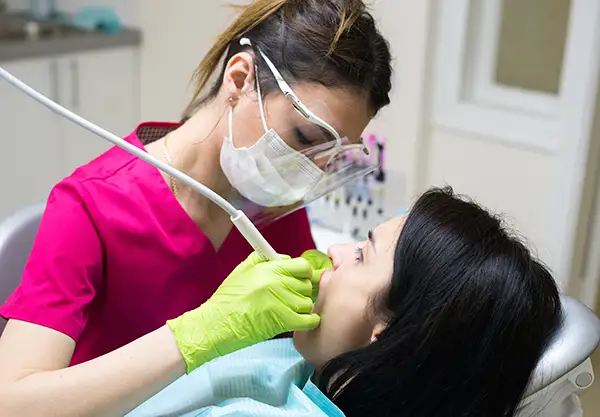 A deep cleaning, also called scaling and root planing, is a periodontal treatment that Premier Dental Center provides at our Bells, Jackson, Milan, and Lexington, TN offices for patients whose gums show signs of disease past the early stage. A deep cleaning, also called scaling and root planing, is a periodontal treatment that Premier Dental Center provides at our Bells, Jackson, Milan, and Lexington, TN offices for patients whose gums show signs of disease past the early stage.
It goes below the gumline to remove hardened tartar that a toothbrush and a regular cleaning cannot reach. If your hygienist recently recommended one, this page walks through what to expect.
We know this recommendation can catch people off guard. You came in for what felt like a routine visit, and now you are hearing about a different kind of appointment. Our team will explain what we found at the periodontal exam, why we are suggesting this step, and how the visit will go.
Deep cleaning sits within our broader periodontal care, which covers the full range of gum treatments; here we stay focused on the scaling and root planing procedure itself.
On This Page
What Is a Deep Cleaning?
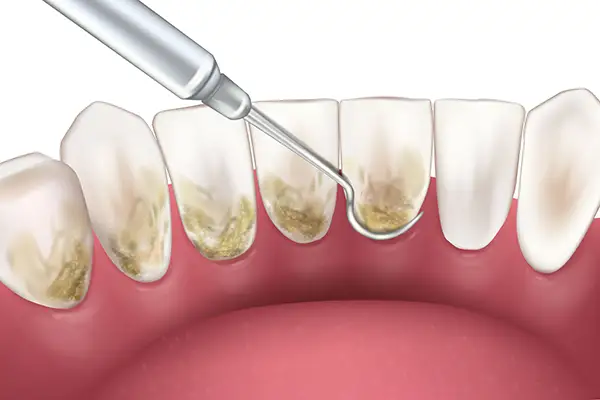 A deep cleaning, known clinically as scaling and root planing or SRP, treats early to moderate periodontal disease by removing buildup that has settled below the gumline. It is one of the most common periodontal procedures we provide across our Bells, Jackson, Milan, and Lexington offices. A standard preventive cleaning focuses on the visible surfaces of your teeth at and above the gum margin; a deep cleaning treats a different problem. A deep cleaning, known clinically as scaling and root planing or SRP, treats early to moderate periodontal disease by removing buildup that has settled below the gumline. It is one of the most common periodontal procedures we provide across our Bells, Jackson, Milan, and Lexington offices. A standard preventive cleaning focuses on the visible surfaces of your teeth at and above the gum margin; a deep cleaning treats a different problem.
When plaque and tartar work their way under the gum, the tissue pulls away from the tooth and forms small pockets. Those pockets keep harboring bacteria, and the inflammation that follows is what we measure during your periodontal exam. The deeper the pockets, the further the disease has progressed.
A deep cleaning has two parts. Scaling removes hardened tartar from the tooth surface and from the root below the gum. Root planing smooths the root itself so the gum tissue can reattach and the pocket can shrink. Both happen in the same visit, usually on one half of the mouth at a time.
How a Deep Cleaning Differs From a Regular Cleaning
The difference is depth and intent. A regular cleaning is preventive and works at and just above the gum. A deep cleaning is therapeutic. We use local anesthetic so the area is numb, we work below the gumline, and we plan the visit around treating a specific stage of gum disease. If your pocket depths come back within healthy range at your next visit, you may return to a regular cleaning schedule. If the disease is more established, your hygienist will move you to a periodontal maintenance schedule instead.
When We Recommend This Treatment
We typically recommend a deep cleaning when your periodontal exam shows pocket depths beyond what a regular cleaning can manage, when X-rays show early bone loss around the teeth, or when you have visible signs of progressing gum disease such as ongoing bleeding, tenderness, or gum recession. A diagnosis of gingivitis alone usually does not call for SRP; gingivitis is the earlier, reversible stage that often responds to a regular cleaning and improved home care. Once the disease has moved past gingivitis, a deep cleaning becomes the appropriate next step.
Your Deep Cleaning Care Team
Our experienced dental hygienists perform deep cleanings at Premier Dental Center, working under the supervision of our doctors, who set the treatment plan after your periodontal exam and check in throughout the visit if you need anything. Our practice has cared for West Tennessee families since 1979, and periodontal care has always been a core part of what we do.
Dr. Steven Kail is certified in Laser Dentistry, and we use a soft tissue laser as an adjunct to scaling and root planing when the case calls for it – more on his background is on Dr. Kail's bio page and on our Dental Technology page. The laser helps reduce bleeding and discomfort during the cleaning, and it targets the infected lining of the pocket so the healthy tissue around your teeth has a better chance to reattach.
Across our four offices, every doctor on our team takes time to explain what your pocket depths actually mean before any treatment starts – not just numbers on a chart, but what they tell us about what is happening in your mouth. If a deep cleaning is the right step for you, we want you to feel informed about why.
Your Deep Cleaning Appointment
Most patients have their deep cleaning done in one or two appointments, depending on how many areas need treatment. Some people do all four quadrants of the mouth in two visits scheduled close together. Others have one half done at a time. Your hygienist will recommend the format that fits your case after the exam.
1. Periodontal Exam and Pocket Measurements
Before we recommend any deep cleaning, we measure the depth of the small space between each tooth and the surrounding gum. Healthy pockets sit at about one to three millimeters. Anything deeper points toward periodontal disease and shapes the treatment plan. We also review X-rays to check the bone level around the teeth.
2. Local Anesthesia
Because we are working below the gumline, we numb the area first. You will feel a small pinch at the injection site, and then the gums in that quadrant go fully numb for the rest of the visit. Patients with significant anxiety can ask about other comfort options before the appointment.
3. Scaling
Your hygienist uses a combination of hand instruments and an ultrasonic scaler to remove tartar from the tooth surfaces above and below the gumline. The ultrasonic tip uses gentle water vibrations to break up hardened deposits. You will feel pressure and water but not pain. When the case calls for it, we also use the soft tissue laser to address the infected lining of deeper pockets.
4. Root Planing
After the tartar is gone, your hygienist smooths the surface of the root itself. Bacteria cling more easily to rough surfaces; smoothing the root gives the gum tissue the best chance to reattach and the pockets to shrink.
5. After the Visit
The numbness wears off in a few hours. Some sensitivity to cold or to brushing is normal for several days and usually settles down on its own. Your hygienist will go over home-care steps before you leave, and we schedule a follow-up about six to eight weeks later to measure pocket depths again and confirm the response. From there, most patients move to a periodontal maintenance schedule every three or four months, rather than going back to the standard six-month cleaning cadence.
Benefits of a Deep Cleaning
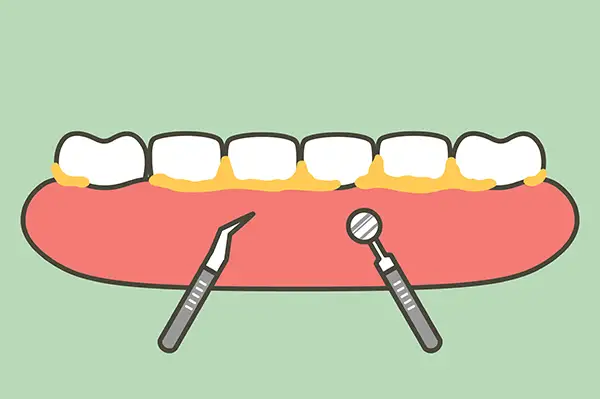 A deep cleaning treats the disease process happening below the gumline, not just the surfaces you can see, and the difference shows up in a few specific ways. A deep cleaning treats the disease process happening below the gumline, not just the surfaces you can see, and the difference shows up in a few specific ways.
Stops the Progression of Gum Disease
Untreated periodontal disease slowly destroys the bone and tissue that anchor your teeth. Clearing the bacteria below the gumline halts that destruction, and the follow-up exam six to eight weeks later tells us whether the tissue is recovering as expected before we settle on your long-term care plan.
Reduces Bleeding, Sensitivity, and Bad Breath
Bacteria trapped in deep pockets drive the bleeding you see when you brush, the metallic morning taste, and breath that mouthwash cannot fix. When we treat deeper pockets with the soft tissue laser, it also reduces the bleeding and swelling during the visit itself, and once the source is gone, most patients notice the symptoms ease within a few weeks.
Helps Healthy Gum Tissue Reattach
Smoothing the root surfaces gives the gum a clean surface to settle back against. Because we record your pocket depths before treatment, the shrinking numbers at your recheck are concrete proof the tissue is reattaching, rather than something we simply tell you happened.
Protects Your Broader Health
A growing body of research links chronic gum inflammation with cardiovascular disease and complications from diabetes. Treating it is one of the more direct things you can do for your overall health, and when your gum care overlaps with a condition like diabetes, we are glad to coordinate with your physician so both sides of your care line up.
Why Patients Choose Our Practice
We have been part of the Bells, Jackson, Milan, and Lexington communities since 1979, and periodontal care has been part of our work the entire time. For patients facing a first deep cleaning, the practical advantage here is continuity across four offices: if you usually see us in Milan but a Jackson slot fits better for your follow-up, your chart, pocket measurements, and treatment plan travel with you on one shared record.
A deep cleaning is also the start of periodontal care, not a one-time fix. Rather than defaulting everyone to the same six-month recall, we set your maintenance interval from your actual pocket depths and tell you the reasoning, so you are not left guessing whether your next visit should be in three months or six. When your case warrants it, pairing the cleaning with our soft tissue laser is part of how we give the tissue its best chance to recover.
Deep Cleaning Cost and Insurance
Cost matters, and we want to be straight with you about how it works. The fee for a deep cleaning depends on how many quadrants of your mouth need treatment, whether the laser is part of the visit, and how many follow-up appointments your case calls for. We walk through the numbers with you after the exam, before we schedule anything, so there are no surprises.
Most dental insurance plans cover scaling and root planing when the diagnosis supports it, often at a higher level than a routine cleaning since insurers treat SRP as a periodontal procedure. Coverage usually includes the deep cleaning visits and some portion of the follow-up periodontal maintenance. Our front-desk team verifies your specific benefits before treatment and explains what your plan covers, along with any out-of-pocket portion. Our insurance and financing options also include third-party plans through Cherry, Sunbit, and CareCredit if you prefer to spread the cost over time.
If you are uninsured, ask about our membership plans. The Perio Maintenance Plan, in particular, is built for patients who need periodontal cleanings every three months and includes a discount on additional treatment.
Schedule Your Deep Cleaning
If your hygienist has recommended a deep cleaning, the next step is to get it on the calendar before symptoms have a chance to progress. Call us at 731-300-3000 or schedule an appointment online to get started. We will fit you in at any of our four West Tennessee offices. Our Jackson location is at 80 Exeter Rd, Jackson, TN 38305. Addresses and hours for the Bells, Milan, and Lexington offices are on our Locations page.
Frequently Asked Questions
Will a deep cleaning hurt?
We use local anesthesia, so the area is fully numb during the cleaning itself, and most patients describe the sensation as pressure rather than pain. Some tenderness for a couple of days afterward is common; over-the-counter pain relievers usually handle it, and warm salt-water rinses help if the gums feel sore.
How long is the appointment?
Most deep cleanings run between 60 and 90 minutes per side of the mouth. If your hygienist recommends doing all four quadrants in one sitting, plan for closer to two hours, including numbing and the post-visit review. We always block enough time so the visit is not rushed.
How often will I need a deep cleaning?
A deep cleaning is typically a one-time treatment for the affected areas. What changes long-term is your cleaning cadence. If your follow-up exam shows pocket depths have improved and stayed healthy, you may eventually return to a regular cleaning schedule rather than staying on a periodontal maintenance schedule indefinitely.
Does dental insurance cover scaling and root planing?
Most plans cover SRP when the diagnosis supports it, often at a higher level than the preventive-cleaning tier. The number of quadrants covered in a single benefit period can vary by plan, which is one of the details our team confirms when we check your insurance and financing benefits before treatment.
Can I skip the deep cleaning and just brush and floss more carefully?
Once tartar has hardened below the gumline, no amount of brushing or flossing will remove it – the deposits are physically bonded to the tooth and root. Improving home care helps prevent future buildup, but it does not reverse what is already there. That is the specific job a deep cleaning does.
Will the laser part of the cleaning hurt?
The soft tissue laser does not feel like a heat-based cutting tool. With the area already numb from the local anesthetic, most patients do not feel the laser separately at all. The patients who do feel it usually describe a mild warmth at the gumline rather than pain.
My gums bleed during normal brushing. Does that mean I need a deep cleaning?
Bleeding gums are a common early sign of gum inflammation, but they do not always point to scaling and root planing. The earliest stage, gingivitis, often responds to a regular cleaning and improved home care. We use pocket depths and X-rays, not just symptoms, to decide whether a deep cleaning is the right step. Our Bleeding Gums Treatment page explains how we work that out.
What happens if I never have the deep cleaning done?
Periodontal disease that goes untreated tends to progress quietly. Pockets get deeper, bone support gradually decreases, and teeth can loosen years before you would otherwise have lost them. Catching the disease at the SRP stage is the simplest and most predictable way to keep your own teeth long-term. |